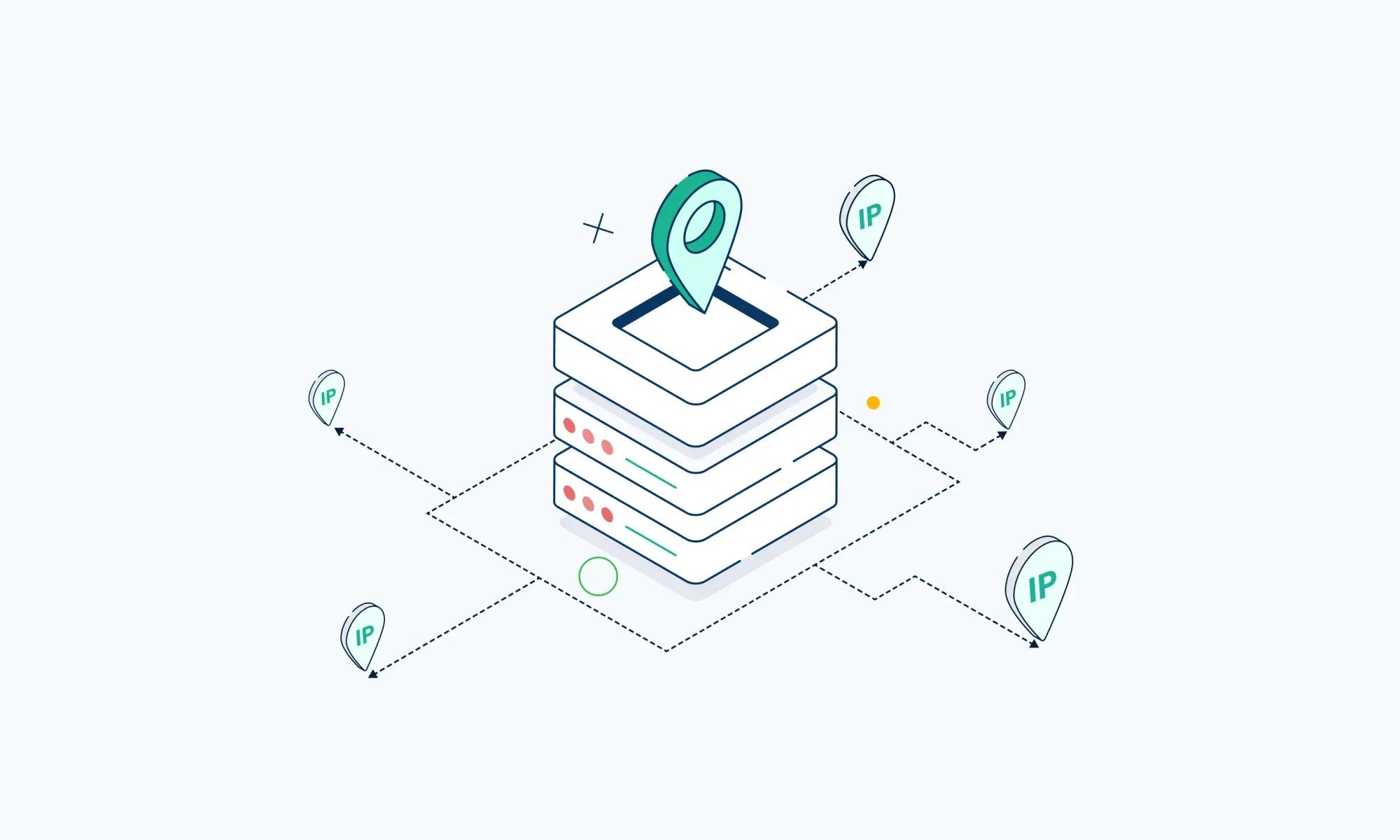
Static proxies are often treated as a simple switch teams can flip to "fix" scraping stability, but they actually change how your entire scraping stack behaves under load.
When IPs stay the same, sessions hold together more reliably and request flows become much easier to reason about, which gives you far more control over throughput. However, that same persistence can quickly burn a small pool if concurrency and pacing are not managed well.
Static IP proxies are commonly used in production scraping where session continuity and stable routing matter. They work well for logged-in flows, multi-step crawls, and monitoring jobs, but only when pool size and concurrency per IP are matched to the actual workload.
This guide explains what static proxies actually mean in practice, how static datacenter proxies compare to ISP proxies for scraping and static residential proxies, and when sticky sessions or rotating proxies make more sense.
Why Static Improves Performance at Scale
Small changes in how identities behave can have a big impact on stability and output as you scale. Static proxies change the failure patterns you see in production scraping and make it easier to tune performance over time.
Here are some reasons teams see better results when they move critical workflows to static IP proxies:
- Stable identity reduces session drops and mid-flow failures: When the same IP is used across requests, sessions are less likely to reset during a crawl. Instead of rebuilding sessions for workflows that rely on cookies or multi-step navigation, you can focus more on completing jobs.
- Higher scraping success rate for stateful flows: Broken sessions and surprise logouts happen less often when the IP stays consistent, and long-running tasks are not interrupted by sudden identity changes mid-process. This means fewer partial runs and fewer restarts that waste both time and resources.
- More predictable scraping throughput across runs: With static IP proxies in place, request patterns stay consistent between runs. That consistency makes it easier to tune concurrency per IP and adjust request pacing based on real outcomes.
- Easier monitoring and debugging with fixed IPs: When issues appear, you can trace failures back to specific IPs and watch how each one behaves over time. It becomes easier to spot patterns like one IP hitting limits or a target reacting to certain request flows. This level of visibility is harder to get with frequent rotation.
- Less retry noise compared to frequent rotation: Constant identity changes create false retries where requests fail because of new identity checks rather than real target limits. With static proxies for web scraping, retries are more likely tied to real rate limits or response issues, which keeps retry logic cleaner and helps protect scraping throughput.
When to Choose Which Static Type: Datacenter vs ISP Static Residential
Not all static proxies behave the same way, especially when used in production environments. The IP stays the same, but where it originates from affects how targets treat your traffic and how quickly a pool gets worn down.
Let's explore the main types of static proxies and when they’re the right approach.
Static Datacenter Proxies
Static datacenter proxies are the fastest option and usually the most affordable.
They work well for targets that do not apply heavy filtering, such as small e-commerce stores or content sites with basic rate limits. They are also a good fit for internal tools that just need stable routing, like uptime monitors or price trackers.
When speed matters more than trust level, datacenter IPs are often the first choice.
However, there are some trade-offs you should be aware of:
- Datacenter IP ranges are easy to identify
- Stricter platforms often apply tighter rate limits to them
- Reputation can drop quickly under high concurrency
You can still run useful workloads on static datacenter proxies, but you need to watch concurrency per IP and pacing more closely to avoid burning through a small pool.
ISP Proxies for Scraping and Static Residential Proxies
These proxies come from networks that more closely resemble real user traffic. That higher trust profile helps with targets that closely monitor IP reputation and session behavior. Logged-in flows and longer sessions tend to last longer on these IPs, particularly when cookies and session state are involved.
Having said that, ISP proxies for scraping and static residential proxies come with their own set of challenges you need to navigate:
- These pools are smaller than datacenter ranges and cost more to operate
- You get better stability on stricter sites, but you cannot treat the pool as unlimited
- Concurrency per IP has to stay lower, and pool health needs regular attention to prevent overuse of a handful of hot IPs
The key is to treat these IPs as high-trust resources, not bulk traffic carriers. They perform well on sensitive targets, but only when you control the load and carefully spread usage across the pool.
Hybrid Static Strategy
As we’ve seen so far, static proxy types are ideal for stateful work. However, rotating proxies still have a clear role, and they are better suited for discovery and broad crawling across many domains where session state does not matter much. Wide IP coverage in those cases helps reduce blocks and spread risk across a larger surface area.
In real-world setups, most stacks end up combining both. Static IPs handle the parts of the workload that need consistency, while rotating pools take care of high-churn traffic and wide coverage. This split reduces pressure on your static pool and keeps session-based jobs running smoothly.
Separating traffic by job type is what makes this work in practice. Keep static IPs attached to flows that hold sessions or follow multi-step paths, and use rotating pools for wide crawls and one-off requests. That way, session stability does not get tangled up with high-churn traffic, and you avoid breaking stateful runs by accident.
Rotation vs Sticky vs Static Plain Rules for Real Workflows
Most scraping stacks use more than one proxy mode, and the right one to use depends on how long the identity needs to stay stable and how wide your coverage needs to be.
Here's a quick overview of how rotation, sticky sessions, and static proxies differ in real workflows.
Rotating proxies for breadth and exploration
Rotating proxies change IPs often. Each request or short burst comes from a new IP, and this spreads traffic and works well for discovery jobs where you hit lots of pages or sites.
The downside is that identity changes all the time, which can break sessions that rely on cookies or login state. You also get more retries that are not real errors but a result of the IP switching.
Sticky sessions for short controlled windows
Sticky sessions hold an IP for a short window, then switch it. It’s enough to finish a small task without keeping the IP forever.
They work for jobs that take a few steps and don’t need long sessions. Adding a product to a cart to capture pricing details and paging through a few result pages in a search flow are common examples of such tasks.
If the window is too short, sessions reset in the middle. If it's too long, you see the same pool burn issues you get with static proxies.
Static IP proxies for long-lived identity and continuity
Static proxies keep the same IP across runs. As we covered, they’re ideas for workflows that need long sessions, repeatable routing, or login state. The trade-off is that the pool gets used up fast if you push too much traffic through a few IPs.
Where Webshare Fits: Identity Modes and Ops Patterns for Scale
As your scraping setup grows, proxy choice becomes more about control than simple access. You need a stable identity for session-based work and rotation for wide coverage, along with a way to manage both without guessing under load.
Webshare supports multiple proxy identity modes, including static IP proxies and rotating pools, so you can assign the right identity model to each workload.
Instead of forcing everything through one pool, you can split traffic based on how long identity needs to persist and how much coverage the job requires. Stateful workflows can stay pinned to static proxies for web scraping, while discovery jobs can run on rotation. This separation protects session stability while still giving you reach.
Identity modes alone aren't enough once you start scaling up. Pool sizing and concurrency per IP determine whether your setup holds up under load.
Webshare makes it easier to expand or rebalance your pool as traffic grows, so you are not stuck pushing more requests through the same small set of IPs. When you need to increase throughput, you add capacity instead of overloading what you already have.
Operational reliability is where most large scraping projects succeed or fail. Webshare provides visibility into IP usage and performance, so you can quickly see when an IP starts to get flagged or slow down in real time. This way, you know when to swap it out before it hurts your scraping success rate or triggers retry storms.
Practical Playbook: Pool Sizing, Concurrency, Pacing, Retries, and Monitoring
Static proxies perform well at scale, but only when the basics are handled correctly. To make sure this is the case, use this practical playbook when running static proxies for web scraping at larger volumes.
Size your static proxy pool around real rate limits
Start with the target rather than your infrastructure.
If a site begins rate limiting after a certain number of requests per minute per IP, your pool size has to reflect that ceiling. If one IP handles 60 requests per minute and you need 600, five IPs will not be enough. You need enough IPs to spread the load without stressing each one.
Do not scale traffic before you scale the pool. With static IP proxies, the total request volume and pool size need to move together.
Set conservative concurrency per IP, then increase slowly
No fixed number works everywhere, so start low. Run a small number of parallel requests per IP and watch error rates. If responses stay stable and latency holds, increase gradually; pull back if you see more blocks or timeouts.
Leave headroom as well. Running every IP at its absolute limit leaves no room for changes on the target side, and those changes can happen without warning.
Shape request patterns instead of sending traffic in bursts
Large bursts of requests tend to trigger blocks faster than steady traffic, so spread requests out rather than sending them all at once. Add small gaps between batches instead of compressing them into short windows.
With static proxies for web scraping, behavior matters more because the IP does not change, so irregular bursts are easier for targets to spot and react to.
Cap retries and stop hammering failing IPs
While retries help recover from random failures, too many of them can multiply traffic against a target that is already limiting you, making blocks worse and dragging down overall success rates.
To avoid this, set a clear retry limit per request. If an IP keeps returning 429s or similar responses, pull it out of rotation, stop routing traffic through it, and flag it for review. Retry storms are one of the fastest ways to drain a static pool.
Monitor IP health and rotate with intent
Track performance at the IP level, not just overall success rate. Also, watch error rates and response times per IP. If one starts to degrade, rotate it out instead of pushing more traffic through it.
Static IP proxies are built for stability, but that does not mean you keep the same IP no matter what and never rotate. The idea is to replace IPs when their performance drops or when they start getting flagged, rather than switching identities on every request. That balance protects session stability while keeping scraping throughput steady over the long term.
Real World Use Cases: Production, Scraping, Stateful Sessions, Monitoring
Production scraping pipelines at scale
In production environments, scraping moves beyond one-off scripts and becomes a question of consistent, repeatable throughput. Teams need traffic that behaves the same way today as it did yesterday, and static proxies support that stability by keeping identity consistent across requests and jobs.
When concurrency is controlled and retry logic is capped, static pools make it easier to forecast success rates, resource usage, and completion times. That predictability matters more than raw speed.
Continuous monitoring and change detection
Monitoring tasks, such as price tracking or content change detection, depend on routine access over time. They work best when requests run at steady, defined intervals rather than in short, high-volume bursts.
Static proxies fit this model well because stable identity and controlled pacing allow monitoring jobs to run on schedule without sudden traffic spikes. Over time, that consistency results in cleaner data and fewer unexpected interruptions.
Login-based and stateful scraping workflows
Targets like logged-in flows, carts, dashboards, or multi-step data extraction need sessions to persist, as identity consistency matters. Static proxies help maintain session continuity because the IP does not change mid-process. Instead of rebuilding sessions after every rotation, you can focus on managing things like cookies, tokens, and timing.
Threat intelligence and competitive data collection
Threat intelligence and competitive tracking rely on consistent, repeated access to the same sources. The focus is on observing patterns over time rather than collecting isolated snapshots.
Static proxies support this by keeping identity stable across checks, which helps reduce unnecessary friction and session resets. Proper pacing and controlled retries let you gather data continuously without drawing attention through sudden spikes or erratic behavior.
Conclusion: Predictable Throughput With Stable Identity and Disciplined Control
Static proxies deliver the most value when they are treated as infrastructure, not just access tools. When you properly manage pool size, concurrency, pacing, retries, and monitoring, you get predictable throughput instead of reactive firefighting.
The type of IP you choose matters, but behavior still drives detection. Even a stable identity cannot protect you from irregular traffic patterns or uncontrolled retries that spiral out of hand.
In practice, many teams get the best results by combining stable static pools for session depth with rotating capacity for broader coverage. If you manage them together, this approach balances consistency with scale while keeping detection risk under control.
If your goal is steady, predictable scraping at scale, start with Webshare static proxies. And if you want to review your pool sizing, concurrency model, or rotation strategy, talk to us for a technical consultation.